
Adaptations, communal areas and estates
Aids and adaptations for social landlords
Level-access showers, ramps, rails, stairlifts and extensions, built to an occupational therapist's recommendation.
Aids and adaptations are changes to a home that help a disabled or older resident live safely and independently, from grab rails and ramps to level-access showers, stairlifts, door widening and ground-floor extensions. In social housing they are usually recommended by an occupational therapist and funded by the landlord or a grant.
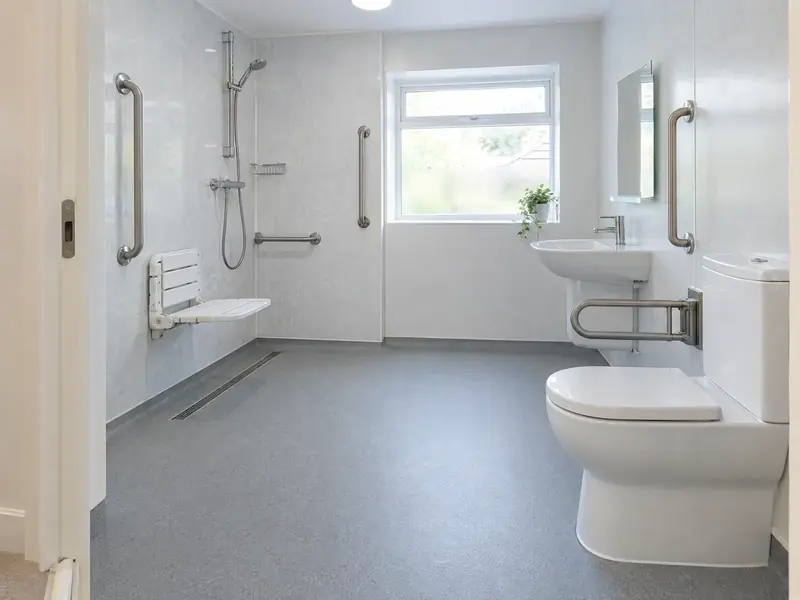
How do we approach aids and adaptations?
We deliver minor and major adaptations to an occupational therapist's recommendation, with the resident at the centre of the planning. Funding routes vary by nation and landlord, so we price and evidence the work in the way your funding requires.
What is included?
- Grab rails, stair rails and lever taps
- Ramps, steps and handrails
- Level-access showers and wet rooms
- Stairlifts and through-floor lifts, coordinated with specialist suppliers
- Door widening and threshold removal
- Kitchen adaptations at accessible heights
- Ground-floor bedroom and shower room extensions
What do we hand over at the end?
- Drawings and specification
- Completion photographs
- Product and warranty documents
- Sign-off for funding claims
Who is this service for?
- Housing associations with adaptations budgets
- Councils managing Disabled Facilities Grant works for their tenants
- Home improvement agencies
Process
How does each job run?
Recommendation
We work from the occupational therapist's recommendation and visit with them where useful.
Design and price
We provide a drawing and a price in the format your funding requires.
Works
Planned around the resident's needs, with access and safety maintained throughout.
Handover
A walk-round with the resident and the OT where possible, and a completion pack for funding claims.
Rules by nation
Which rules shape aids and adaptations in each UK nation?
The legal duties sit with the landlord. These are the rules that set the timescales and standards we work to, as checked on 31 October 2026.
In England, Disabled Facilities Grants of up to £30,000 can fund major adaptations, and minor adaptations costing £1,000 or less must be provided free under adult social care rules. Many housing associations fund adaptations for their own tenants.
Replacement windows, heating systems and some electrical work are controlled under the Building Regulations. In higher-risk buildings (18 metres or 7 storeys and above, with two or more homes), building work needs Building Safety Regulator approval before it starts unless it is exempt. Most repairs and like-for-like replacements are exempt, but heating systems, fuse boxes and glazing units are not.
Decent Homes Standard (England)In Wales, the Disabled Facilities Grant maximum is £36,000, and housing associations can apply to the Welsh Government for a Physical Adaptations Grant after an occupational therapist's assessment (stock-transfer associations are excluded).
Replacement windows, heating systems and some electrical work are controlled under the Building Regulations in Wales, and are self-certified by a competent person scheme installer or approved by building control.
WHQS 2023 (Wales)Scotland has no Disabled Facilities Grant. The Scottish Government funds adaptations for housing association tenants (£20.9m in 2025/26), and councils fund adaptations for their own tenants.
In Scotland, building work, conversion or demolition needs a building warrant unless it is exempt, with a completion certificate at the end. The council's building standards service is the verifier.
SHQS (Scotland)In Northern Ireland, the Housing Executive adapts its own homes, and housing association adaptations are funded through the Department for Communities after an occupational therapist's referral.
Building work in Northern Ireland is controlled by the Building Regulations (Northern Ireland), administered by council building control.
Decent Homes Standard (NI)Guide prices
What do aids and adaptations cost?
Rounded planning figures with their sources and VAT basis. Your price depends on the survey, your specification and the region. Use our programme budget tool for a regional estimate.
| Item | Unit | Guide range | Basis |
|---|---|---|---|
| Level-access shower / wet room conversion | per home | £4,750–£6,500 | Published figure: Independent Review of the Disabled Facilities Grant (England average £4,755, 2016/17); Habinteg (2024: £6,500+ in an older home). VAT basis: not stated (relief may apply). |
| Stairlift (straight to curved) | per home | £2,400–£4,500 | Published figure: Independent Review of the Disabled Facilities Grant (2016/17 data); Habinteg (2024: up to £9,000–£10,000 in some older homes). VAT basis: not stated. |
| Minor adaptations (rails, small items) | per item | £125–£270 | Published figure: Habinteg (2024); minor adaptations up to £1,000 are free to the resident in England under adult social care rules. VAT basis: not stated. |
Prices checked 31 October 2026. See all guide prices and regional factors.
Questions
Aids and adaptations: common questions
Do you need an occupational therapist's recommendation?
For most major adaptations, yes. It is usually needed for funding and makes sure the adaptation meets the resident's needs.
Who pays for adaptations in social housing?
It varies by nation and landlord. Many housing associations fund adaptations from their own budgets; council tenants and others may be eligible for grants. We price in the format your funding route needs.
How long does a level-access shower take?
Usually several working days, depending on the floor construction and drainage. We plan so the resident has washing facilities throughout.
Can you deliver extensions?
Yes, ground-floor bedroom and shower room extensions, including planning and building regulations applications where needed.
Related
Which services often go with aids and adaptations?
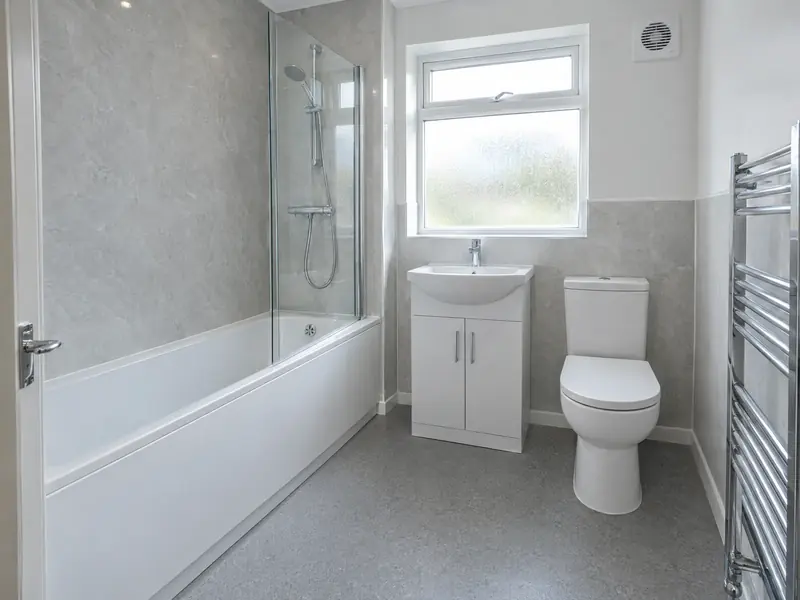
Bathroom replacement programmes
Bathrooms renewed in occupied homes, with extract ventilation, wet-wall panels and level-access options.
Learn more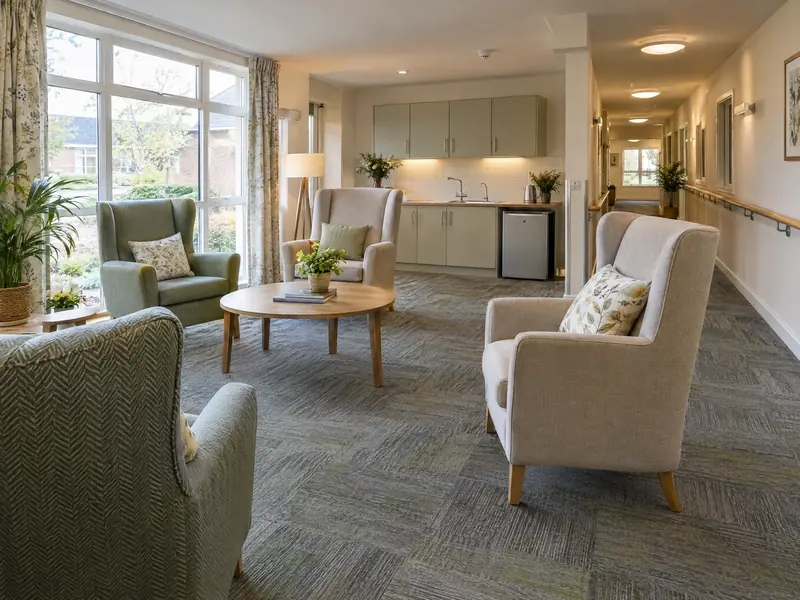
Supported and sheltered housing refurbishment
Refurbishment of sheltered, extra care and supported schemes while residents and staff carry on living and working there.
Learn more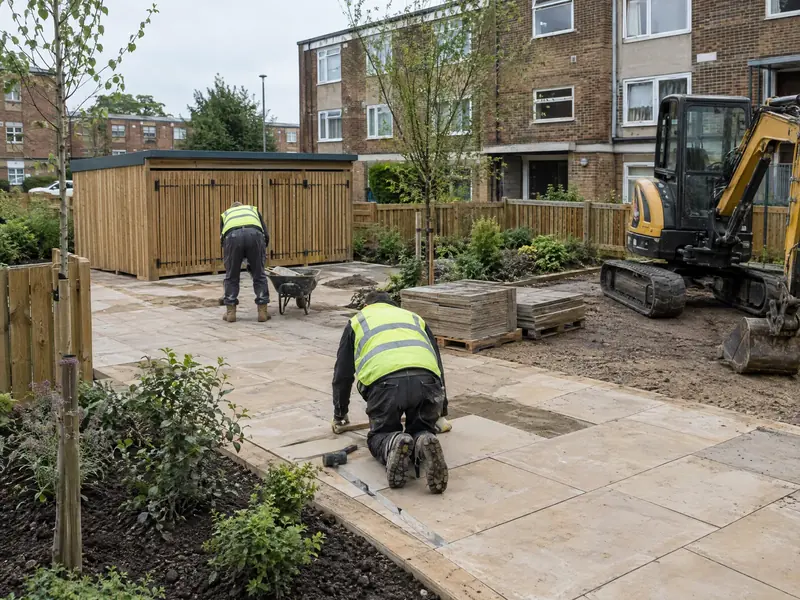
Estate and external works
Paths, paving, fencing, bin stores, parking, drainage and landscaping across estates.
Learn moreFurther reading: Adaptations in social housing: who pays