
Fire stopping and compartmentation · England
Fire stopping and compartmentation in the East of England
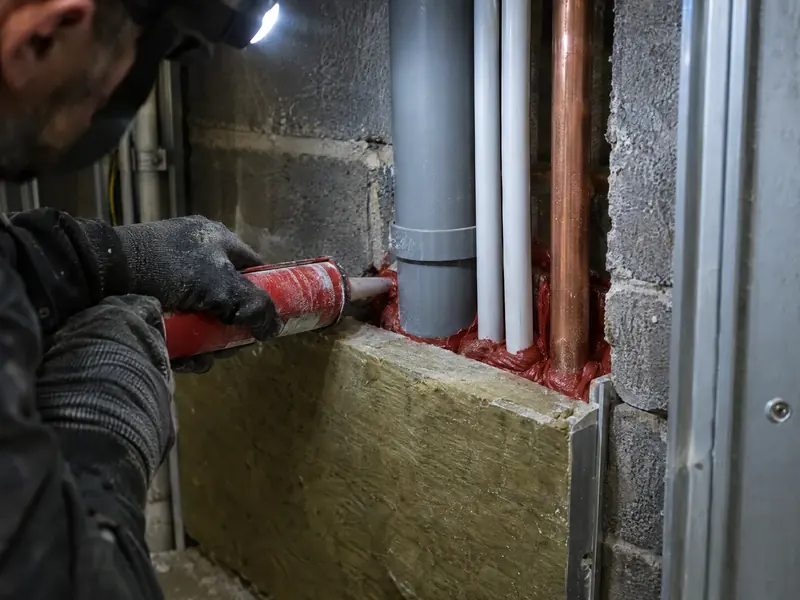
Compartmentation breaches in the East of England are usually hidden in risers, ceiling voids and roof spaces. We find them, seal them and give you the record.
We take on fire stopping and compartmentation works for social landlords across the East of England: housing associations, councils, ALMOs and supported housing providers in all 45 council areas, to the rules that apply in England.
Where in the East of England do we carry out fire stopping and compartmentation works?
We cover every council area in the East of England. Choose one to see who owns the social homes there and the local guide price.
- Babergh
- Basildon
- Bedford
- Braintree
- Breckland
- Brentwood
- Broadland
- Broxbourne
- Cambridge
- Castle Point
- Central Bedfordshire
- Chelmsford
- Colchester
- Dacorum
- East Cambridgeshire
- East Hertfordshire
- East Suffolk
- Epping Forest
- Fenland
- Great Yarmouth
- Harlow
- Hertsmere
- Huntingdonshire
- Ipswich
- Kings Lynn and West Norfolk
- Luton
- Maldon
- Mid Suffolk
- North Hertfordshire
- North Norfolk
- Norwich
- Peterborough
- Rochford
- South Cambridgeshire
- South Norfolk
- Southend-on-Sea
- St Albans
- Stevenage
- Tendring
- Three Rivers
- Thurrock
- Uttlesford
- Watford
- Welwyn Hatfield
- West Suffolk
What is included?
- Compartmentation surveys of risers, ceiling voids and roof spaces
- Sealing service penetrations with tested systems
- Fire-rated boarding and ceiling repairs
- Fire dampers coordination with specialists
- Penetration logs with photographs and product references
Which rules apply in the East of England?
Under the Building Safety Act 2022, building work in higher-risk buildings (18 metres or 7 storeys and above, with at least two homes) needs Building Safety Regulator approval before it starts unless it is exempt; most repairs and like-for-like replacements are exempt, but heating systems, fuse boxes and glazing units are not. Approval can take up to eight weeks for existing buildings, so we build it into the programme.
What does it cost in the East of England?
We price fire stopping and compartmentation works in the East of England after a survey rather than from a guide range, because the number and type of penetrations, access to risers and voids, and building height vary from block to block. Send us the details and we will arrange a visit.
How do we deliver it?
Where our surveys find something outside our scope, such as a missing fire damper or a compromised fire door, we report it to you through the route agreed in your contract.
Common questions
Which council areas in the East of England do you cover for fire stopping and compartmentation works?
All 45: Babergh, Basildon, Bedford, Braintree, Breckland, Brentwood, Broadland, Broxbourne, Cambridge, Castle Point, Central Bedfordshire, Chelmsford, Colchester, Dacorum, East Cambridgeshire, East Hertfordshire, East Suffolk, Epping Forest, Fenland, Great Yarmouth, Harlow, Hertsmere, Huntingdonshire, Ipswich, Kings Lynn and West Norfolk, Luton, Maldon, Mid Suffolk, North Hertfordshire, North Norfolk, Norwich, Peterborough, Rochford, South Cambridgeshire, South Norfolk, Southend-on-Sea, St Albans, Stevenage, Tendring, Three Rivers, Thurrock, Uttlesford, Watford, Welwyn Hatfield, West Suffolk.
Is fire stopping regulated?
Fire-resisting construction is a Building Regulations requirement. In occupied blocks the Regulatory Reform (Fire Safety) Order 2005 and, in England, the Building Safety Act 2022 frameworks apply. Installation must follow the tested product's details.
Can you work in higher-risk buildings?
In England, building work in higher-risk buildings needs Building Safety Regulator approval in many cases. We will tell you if the works need that route and work within it.